


In the dawning era of cosmic exploration, the vision of sustainable space travel stands at the forefront, merging humanity's celestial ambitions with an unwavering commitment to environmental stewardship. As we venture into the future of space travel, the integration of eco-friendly space exploration principles is not just an ideal but a necessity. Green space technology and sustainable spacecraft design are revolutionizing how we perceive the great beyond, prompting a paradigm shift towards renewable energy in space and carbon-neutral space missions.
The environmental impact of space travel has become a focal point for both scientists and enthusiasts alike. Addressing the urgent need to reduce space travel's carbon footprint, sustainable propulsion systems are being developed to propel us forward without compromising our planet's health. Space travel innovations are continuously being refined, emphasizing sustainable astronautics that align with global efforts to combat climate change.
Future eco-space travel initiatives are gaining momentum as space sustainability becomes a cornerstone of modern astronautics. These initiatives are critical in ensuring that our quest for the stars does not come at the expense of our earthly home. By implementing sustainable space travel practices, we embrace a future where exploration and environmental responsibility coexist harmoniously.
As we delve deeper into the vast possibilities of space, understanding the intricate balance between technological advancement and ecological preservation is paramount. The future of sustainable space travel promises not only new horizons for exploration but also the potential to set a precedent for environmentally conscious innovation.
As humanity stands on the cusp of a new age in cosmic exploration, the commitment to sustainable space travel has become more crucial than ever. This section delves into the recent advancements, innovations, and initiatives that are paving the way for a sustainable future in space travel.
The Rise of Eco-Friendly Space Exploration
In recent years, eco-friendly space exploration has become a driving force behind many space programs. Agencies like NASA and ESA are increasingly prioritizing sustainability in their missions. One key area of focus is the development of green space technology. This includes the use of non-toxic propellants and renewable energy sources, such as solar sails and hydrogen fuel cells, which are set to revolutionize propulsion systems.
For instance, NASA's Mars Sample Return mission is being designed with sustainability at its core, utilizing electric propulsion systems powered by solar energy to minimize environmental impact.
Sustainable spacecraft design is another critical area of innovation. Modern spacecraft are being engineered to be more efficient and environmentally friendly. The European Space Agency's (ESA) Ariane 6 rocket, set to launch in 2024, incorporates reusable components and more efficient fuel usage, significantly reducing its carbon footprint.
The concept of modular spacecraft is gaining traction, allowing for parts to be reused across different missions, thereby reducing waste and costs.
Embracing Renewable Energy in Space
The integration of renewable energy in space missions is no longer a distant vision but an emerging reality. Solar power remains the most viable and widely used renewable energy source for space missions. The development of lightweight, high-efficiency solar panels is enabling longer missions with reduced environmental impact.
A notable development is the Lunar Gateway project, a collaborative effort by NASA and international partners. This space station will orbit the Moon and serve as a hub for lunar exploration, primarily powered by solar energy.
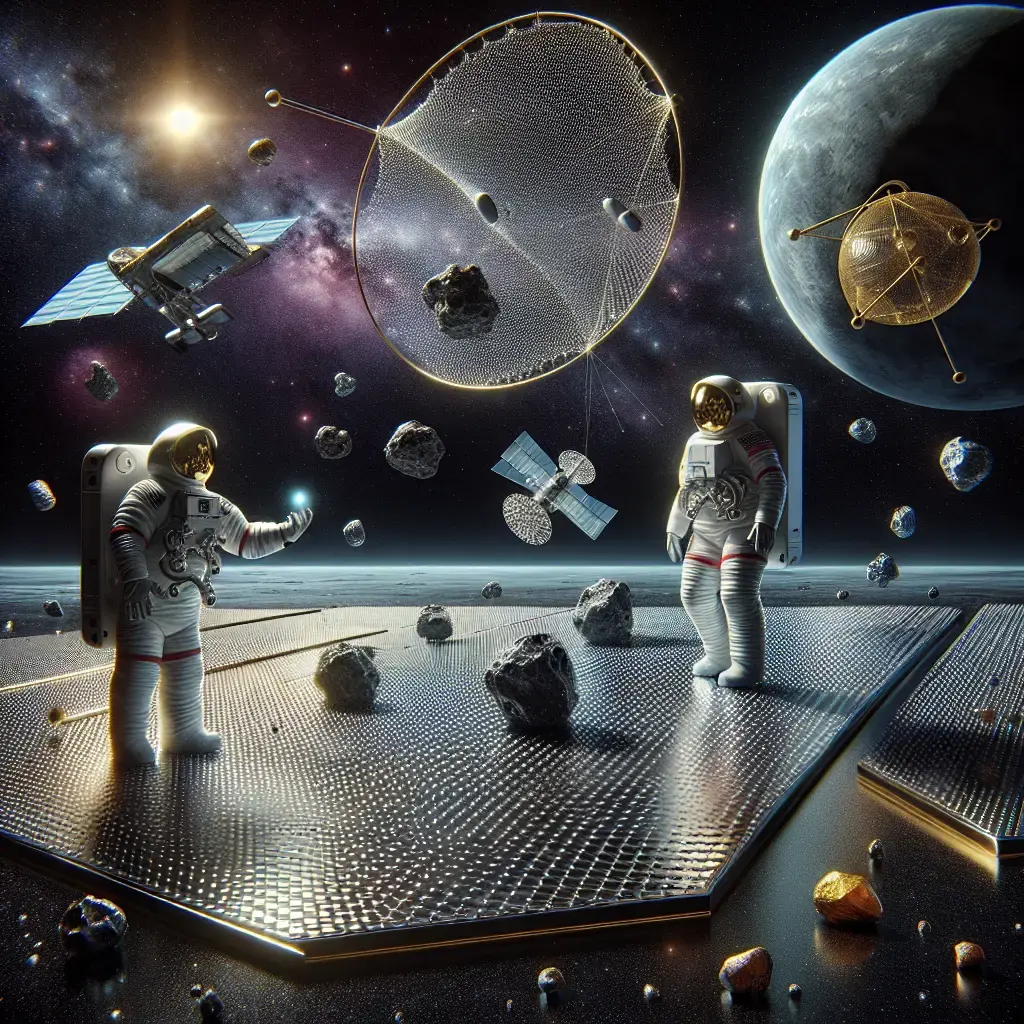
The environmental impact of space travel extends beyond Earth's atmosphere. Space debris poses a significant threat to both active satellites and future missions. Efforts to address this issue include technologies to track and remove debris from orbit.
Organizations like ClearSpace are developing systems to capture and deorbit defunct satellites, essential for maintaining sustainability in space environments.
Reducing space travel's carbon footprint encompasses launch systems to in-flight operations. Companies like SpaceX are leading with their Starship program, focusing on developing fully reusable rockets to decrease materials needed for each launch, cutting emissions and costs.
Space Sustainability Initiatives: A Global Effort
Space sustainability initiatives are gaining momentum worldwide, driven by governmental and private sector efforts. The United Nations' Committee on the Peaceful Uses of Outer Space (COPUOS) promotes guidelines for sustainable space operations, emphasizing international collaboration.
Private companies invest in sustainable astronautics, with startups like Rocket Lab developing eco-friendly launch solutions using carbon-neutral fuels.
The future of eco-space travel promises groundbreaking advancements that could redefine our approach to space exploration. Innovations like 3D printing technology are being explored to produce spacecraft components directly in space using materials sourced from asteroids or lunar soil.
Furthermore, research into biological life support systems could enable long-duration missions by recycling waste products into usable resources, aligning with efforts to combat climate change.
The journey toward sustainable space travel is not just a technical challenge but also a cultural one. Engaging the public through education and outreach programs is essential in fostering a shared vision of environmentally responsible exploration.
Organizations such as the Space Generation Advisory Council (SGAC) involve young professionals and enthusiasts in discussions about future space travel and climate change.
Are you ready to be part of this exciting journey? By supporting these initiatives and staying informed about advancements in sustainable space travel, we can contribute to a future where exploration and environmental stewardship go hand in hand.


Leave a Comment